


Teaching vs. mentoring: The heart of holistic education
/
Guest writer Michael Carberry is the founder of the Whole Life Learning Center in Austin, Texas. He’s a father, educator, and visionary dedicated to transforming education through holistic, learner-centered models that nurture curiosity, compassion, and connection. Learn more about Whole Life Learning Center on its website, and watch Michael discussing mentorship on a recent episode of the Dadicated Joe podcast at the end of this article.
There’s a quiet revolution happening in education right now. More and more parents, educators, and learners are realizing that true learning isn’t just about instruction—it’s about connection.
For generations, the teacher was seen as the expert—the one at the front of the room, delivering knowledge to rows of students who were expected to absorb, repeat, and comply. That model grew out of the industrial era, when schools were designed to prepare children for predictable jobs in a predictable world.
But our world is anything but predictable. Knowledge is everywhere, and creativity, adaptability, and emotional intelligence matter more than memorization. In this new landscape, the traditional role of “teacher” is evolving. We don’t need instructors anymore; we need mentors.
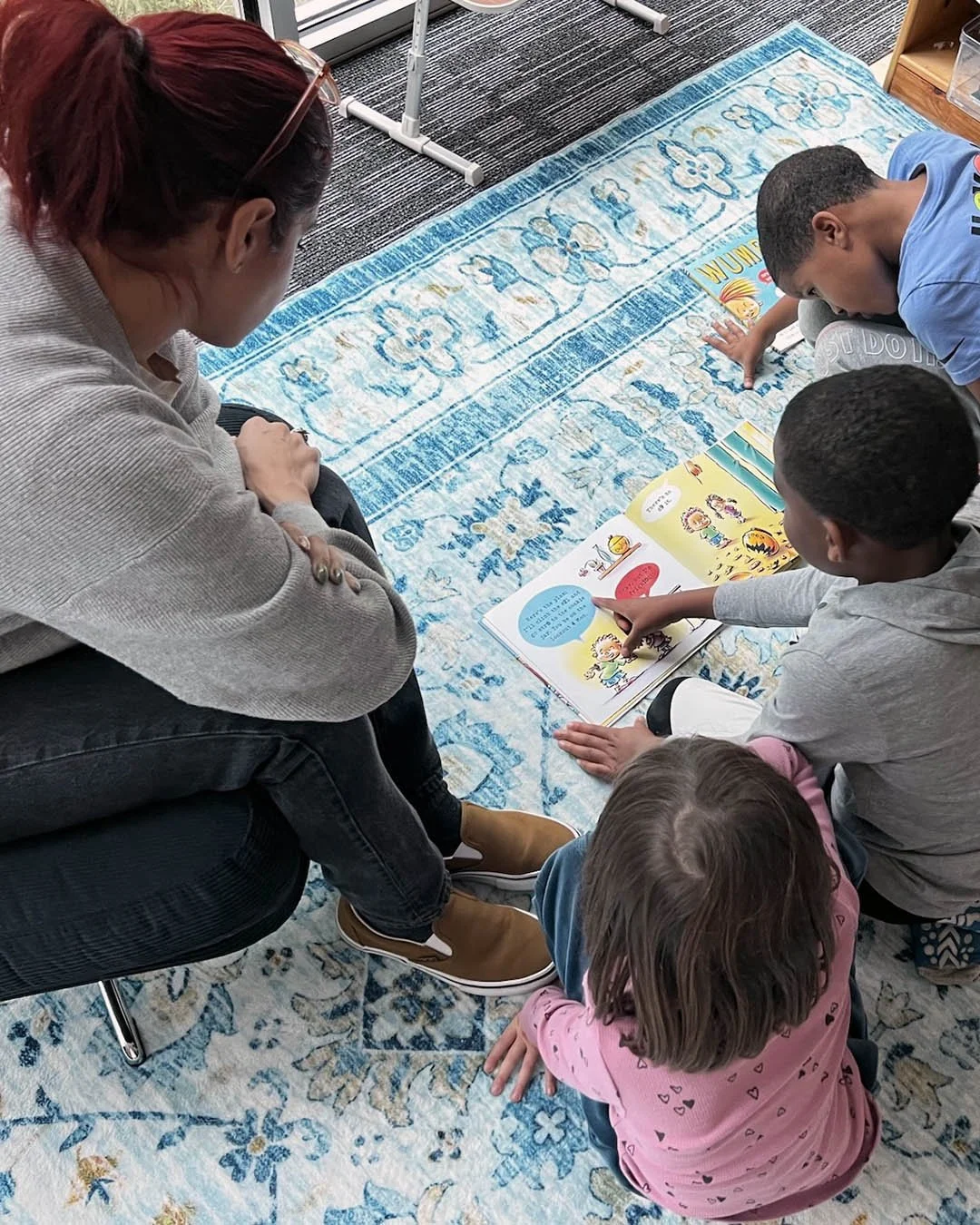
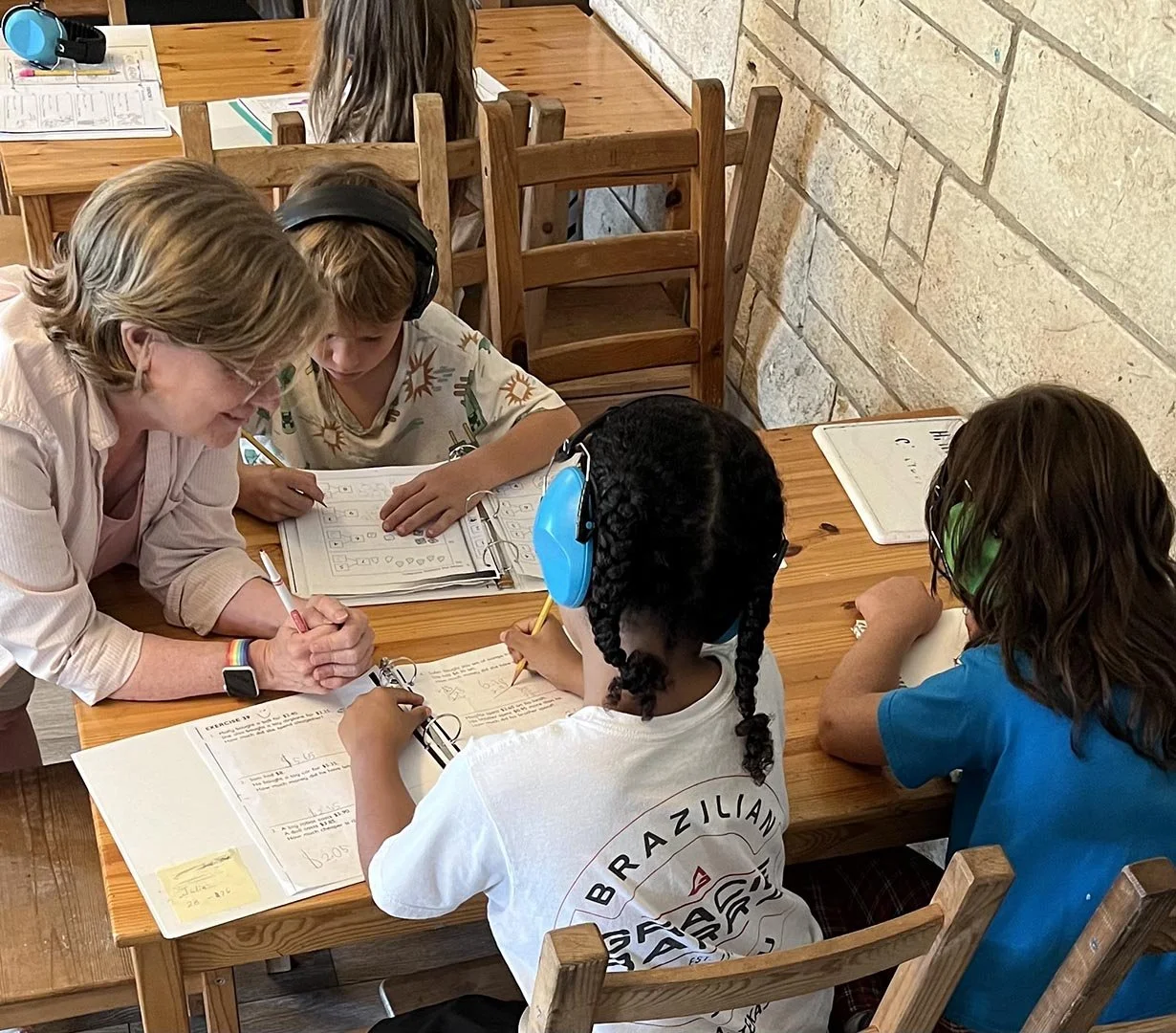
A mentor doesn’t simply teach; a mentor learns with the learner. Mentorship is about listening deeply, asking meaningful questions, and creating the conditions where curiosity and confidence can grow. It’s a partnership—one rooted in trust, authenticity, and respect for the learner’s whole being: body, mind, heart, and spirit.
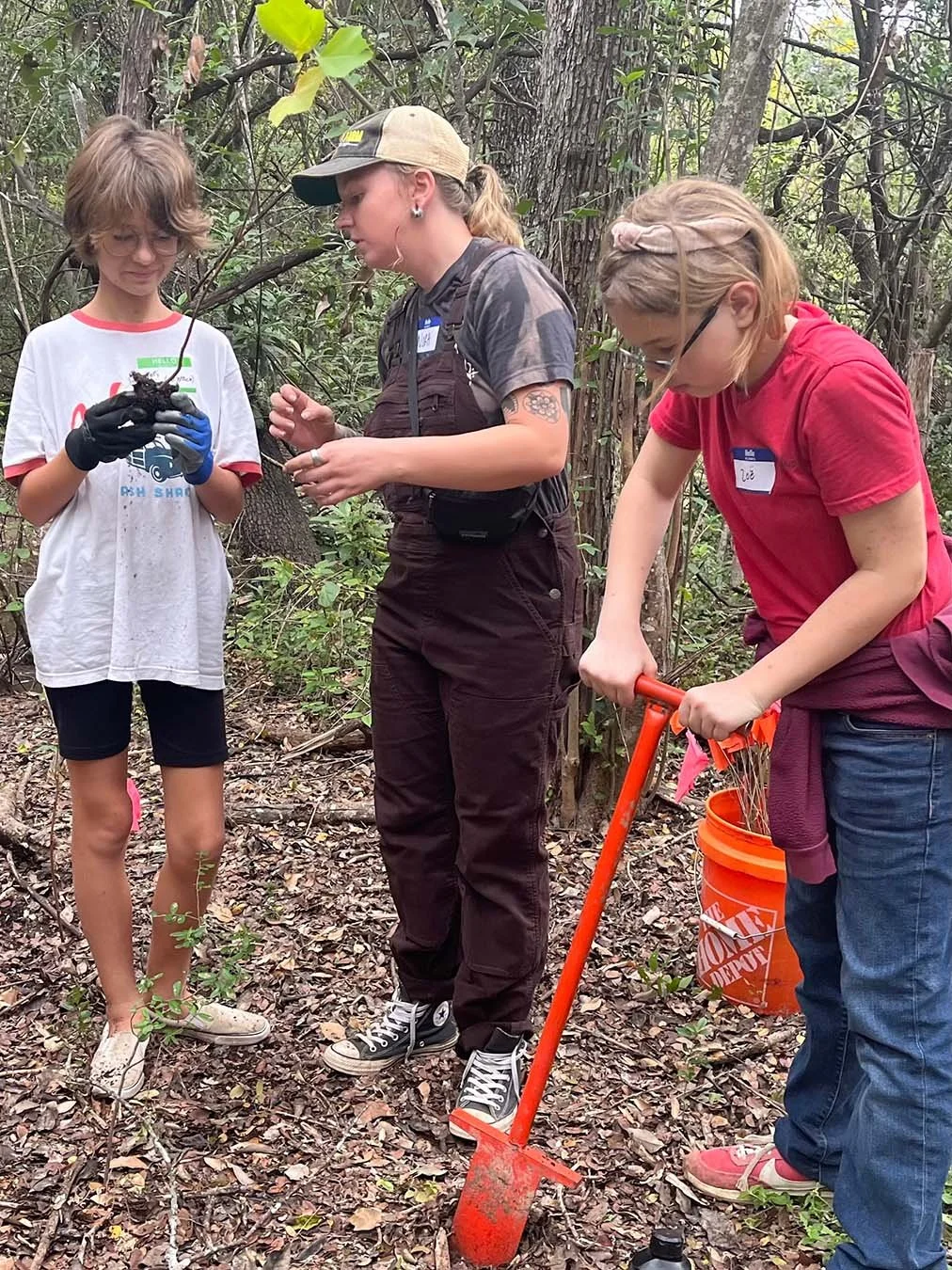
Instead of managing behavior or delivering information, mentors cultivate relationships. They’re gardeners more than lecturers—tending the soil so that learning can take root naturally. Real learning happens when it’s alive, when it’s connected to real life, and when it’s guided by genuine relationship.
At the center of this approach are what we call the Three Keys of Mentorship:
Presence—showing up fully, with awareness and compassion.
Authenticity—modeling realness, vulnerability, and integrity.
Connection—seeing and honoring each learner as a unique individual.
When these three keys are in place, something shifts. Instead of managing, we listen. Instead of enforcing compliance, we invite engagement. Instead of teaching kids what to think, we help them discover how to think—and more importantly, how to be.
In a mentoring environment, the relationship always comes first. It’s about being seen, heard, and valued. When learners feel truly seen, they begin to trust themselves. They take creative risks, explore deeper questions, and grow in ways no curriculum could ever predict. The mentor’s role isn’t to walk ahead or behind, but right beside the learner—as a companion on the journey.
This shift from role to relationship is what makes holistic education so powerful. It recognizes that the quality of connection determines the quality of learning. Every meaningful breakthrough starts with belonging.
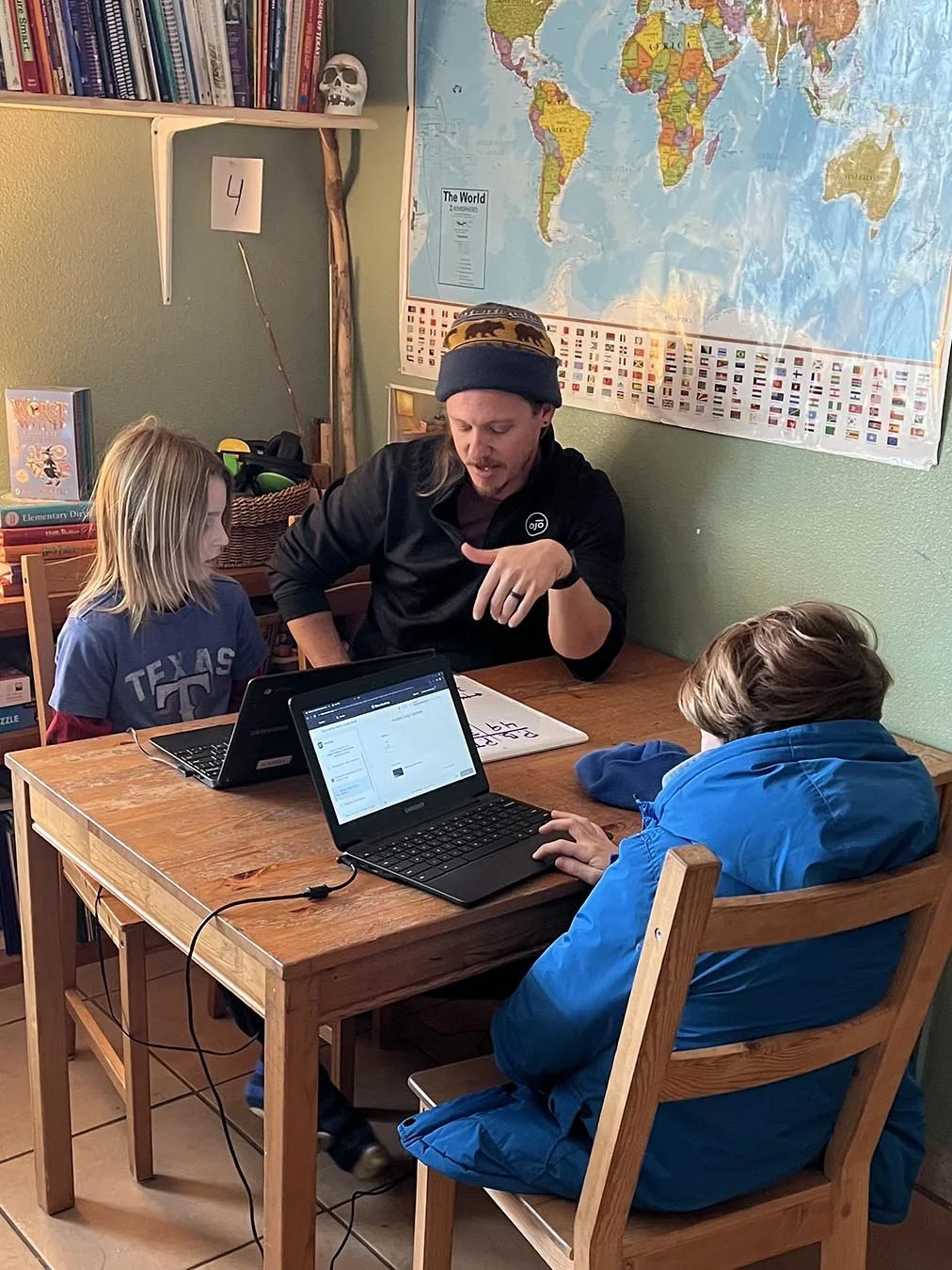
At our learning community in South Austin, we’ve built the entire culture around mentorship. Mentors at Whole Life Learning Center act as guides and companions—modeling curiosity, creativity, and care. We design environments where young people can explore who they are, what they love, and how they can make a difference in the world.
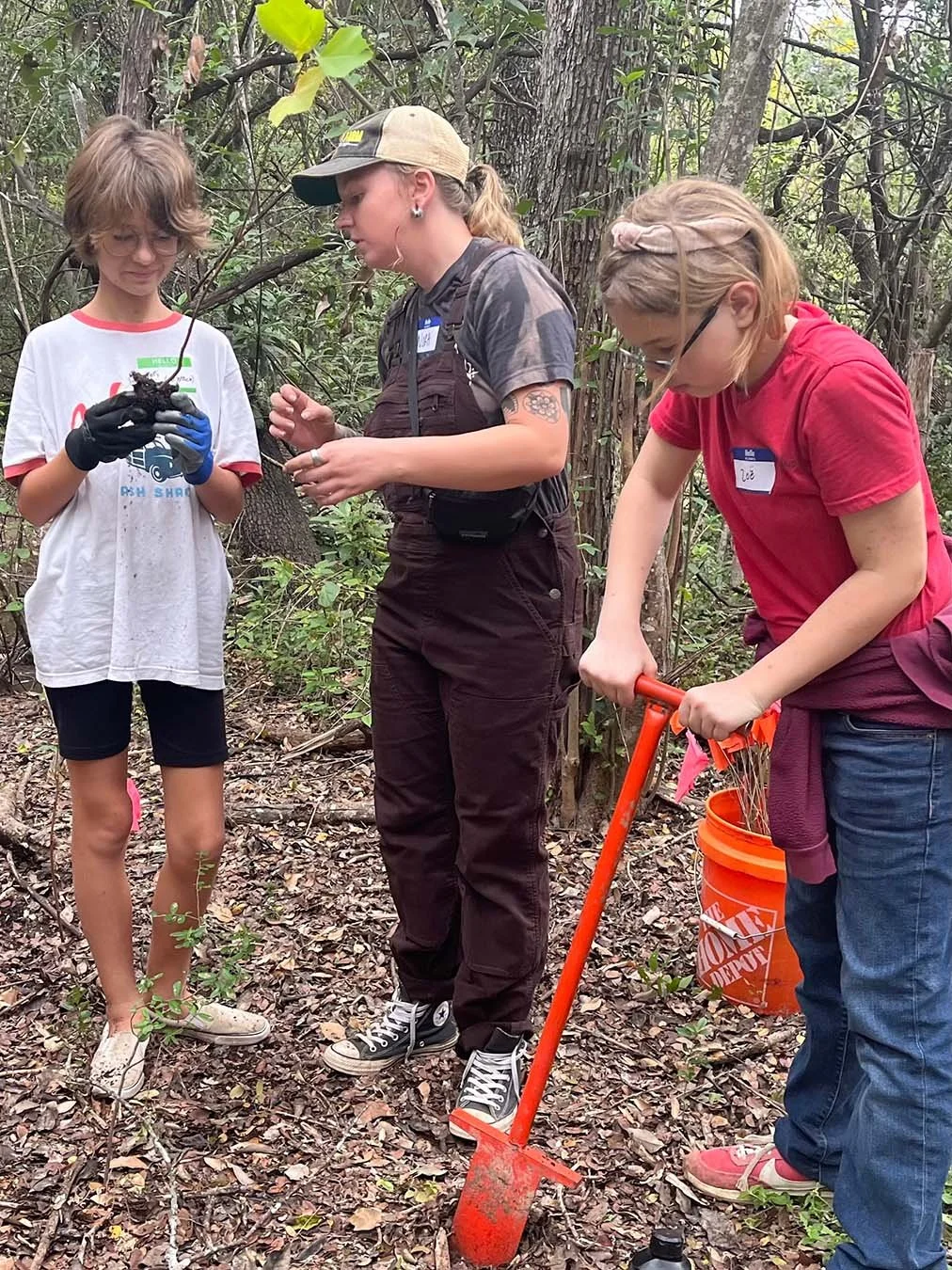
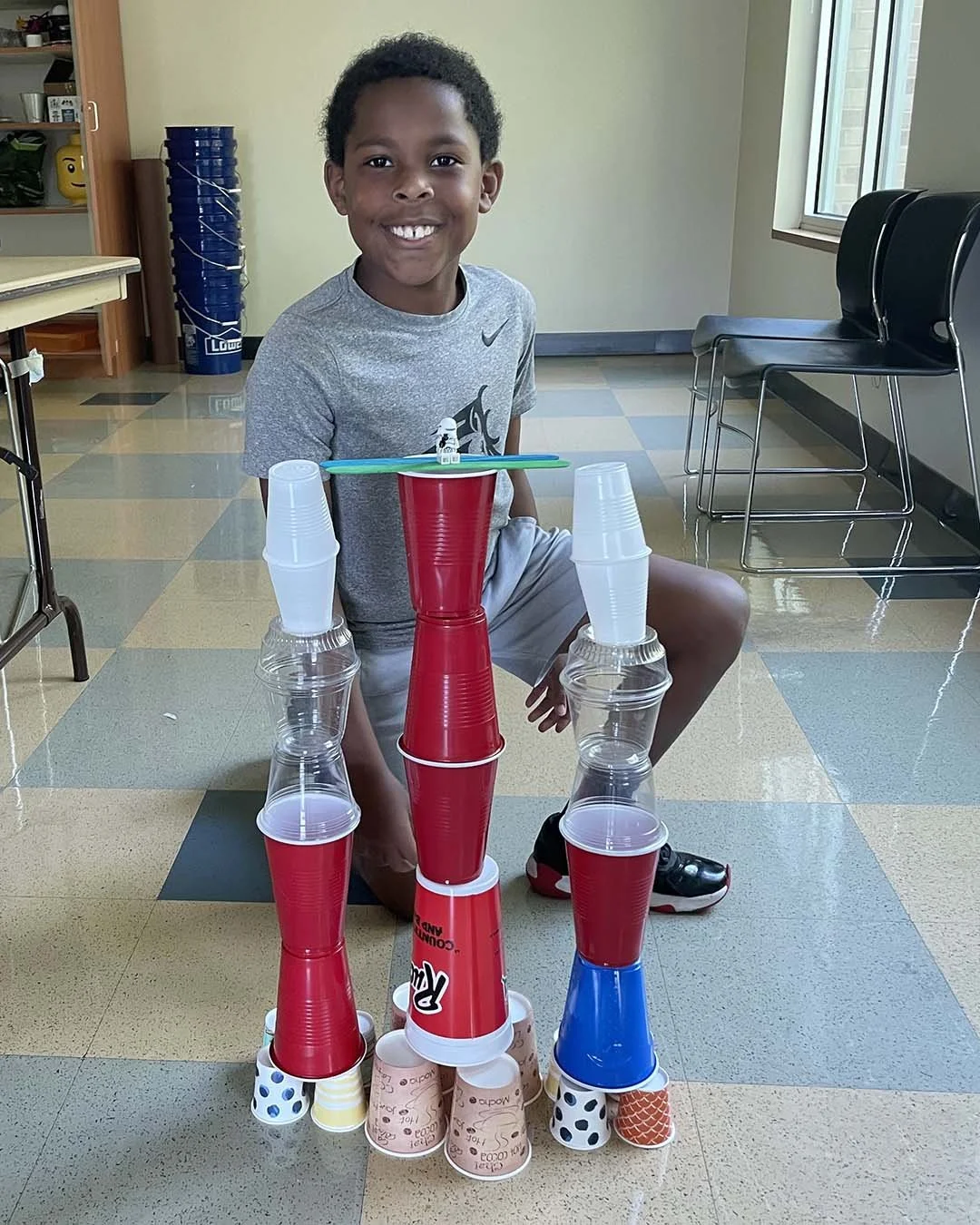
Through project-based learning, self-directed exploration, and social-emotional growth, mentors nurture the inner spark that makes each learner unique. The result is a living, breathing ecosystem of learning—one where growth happens not because it’s taught, but because it’s believed in.
In today’s fast-changing world, young people need more than academic skills. They need the ability to navigate uncertainty, to collaborate, to empathize, and to adapt. Mentorship cultivates these capacities naturally.
When adults approach young people as mentors rather than as authorities, we send a powerful message: I trust you. I see you. I’m with you.
That simple shift changes everything. It reminds us that learning isn’t a transaction—it’s a relationship. And that relationship is what makes education not just effective, but meaningful.
The world doesn’t need more teachers who deliver lessons; it needs mentors who awaken and inspire learners.
Imagine if every classroom, home, or learning space became a little garden—alive with curiosity, courage, and care. Imagine if we approached education not as preparation for life, but as life itself—dynamic, creative, and interconnected.
That’s what mentorship offers. And that’s how the education revolution happens, one relationship at a time.
—Michael Carberry | Whole Life Learning Center
Michael Carberry, founder of Whole Life Learning Center in Austin, discusses mentorship on a recent episode of the Dadicated Joe podcast.