Time to get your story-loving kids on board for NaNoWriMo!


We WRITE, practicing the arts of storytelling and poetry. We SHARE—reading our own work aloud in the classroom, performing in public, or having work published; sharing brings writers in contact with readers, helping build literary communities in our own backyards.

—The Badgerdog writing program of the Austin Public Library Friends Foundation


For most of us, November 1st means digging a few sweaters and sweatshirts out of the back of the closet, ramping up the panic as Thanksgiving’s culinary pressures approach, and enjoying the sights, sounds, and tastes of peak autumn. But for a certain group of word nerds, November 1st means one thing above all: It’s time to begin the NaNoWriMo marathon and not look up from the notebook or keyboard until midnight, November 30th.

NaNoWriMo, an acronym for National Novel Writing Month, is an international writing challenge community that started as a tiny idea in 1999 in San Francisco and eventually turned into a nonprofit in 2005. Today, hundreds of thousands of people across the globe participate by signing up online and pledging to write the first draft of a 50,000-word novel in the month of November. If you make that goal, you “win” NaNo, but even if you don’t reach the word mark, participants get a great sense of camaraderie and accomplishment just from process.

NANOWRIMO_1.jpg

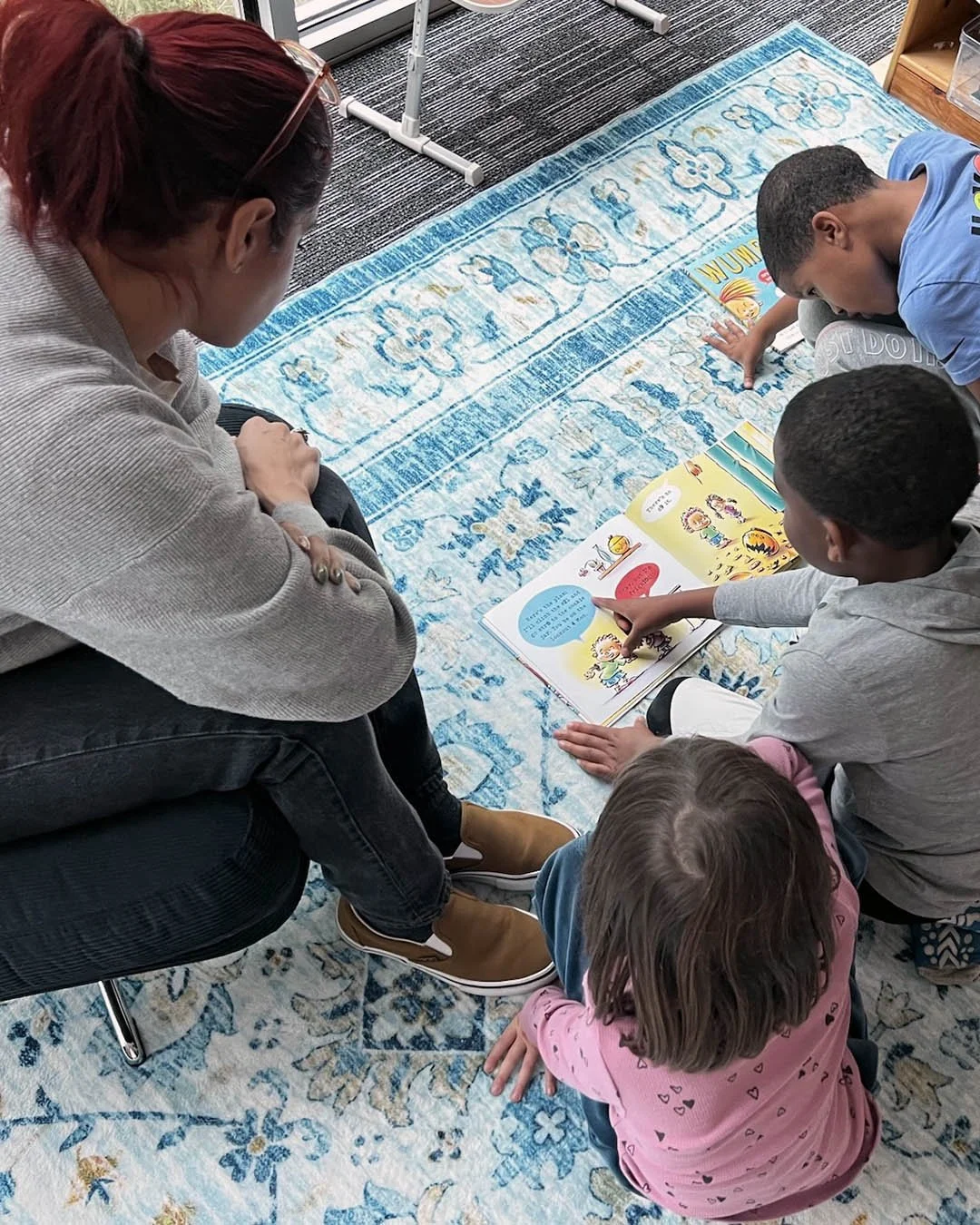
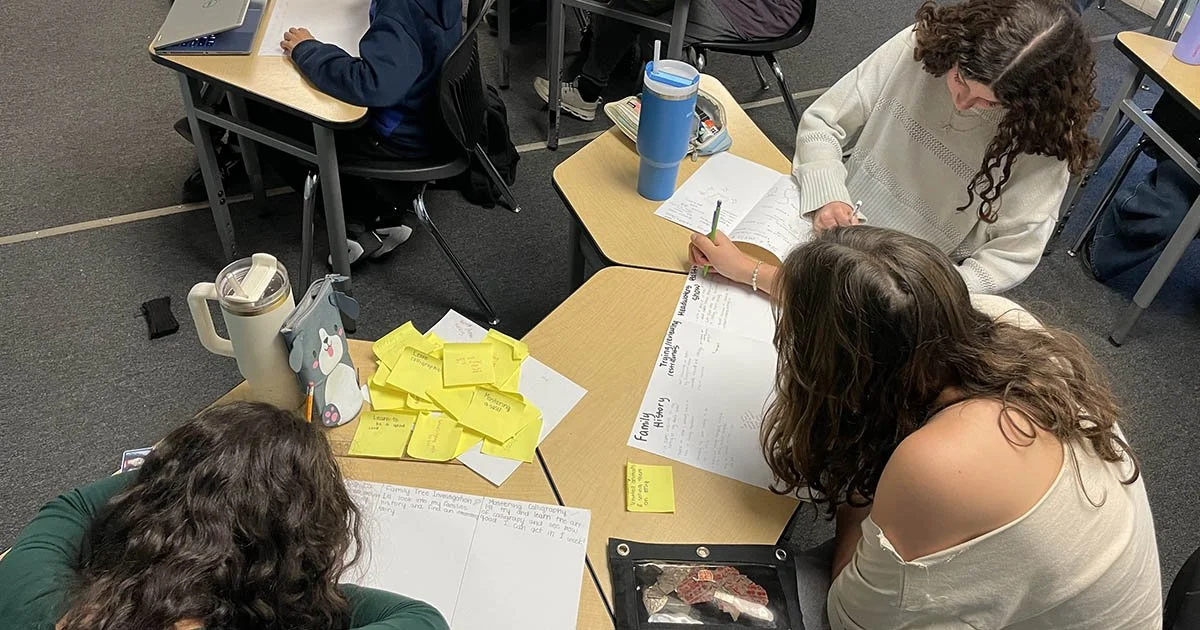
For young people, there is a special community, called the Young Writers Program, where kids of all ages can join in the challenge with their teachers and parents. In 2015, more than 80,000 students and educators took part, not counting the teens who participated, as many do, in the main NaNo community. Kids generally set their own word limits, and aren’t bound, of course, by the 50,000 goal, which is about the length of The Great Gatsby. For a little taste of the excitement involved in plotting, world building, and sharing stories, take a look at some of the many videos created by past teen participants by searching “NaNoWriMo2016” on YouTube.

In Austin, the place for young writers to learn more about the NaNoWriMo experience is at the Austin Public Library. At Faulk Central Library, kids ages 10 and older are invited to attend a NaNoWriMo kickoff Tuesday, November 1, at 5:30 p.m. called “What’s Your Story.” This will be followed by “Keep It Up,” a meeting halfway into the month, on November 15. At the end of the intense and fabulous month there will be a celebratory meeting on December 1, when kids can talk about their experiences, learn a little about how to revise the first draft they have created, and even share their work.

In addition to the library activities, if you have girls in 3rd through 8th grade who are aspiring writers, they may be interested in a couple of workshops happening on Saturday, November 5, as part of the We Are Girls TX conference. Here’s the schedule.

The NaNoWriMo activities at the library are sponsored by the Badgerdog writing program, which operates year-round and sponsors spring break and summer writing workshops for elementary, middle, and high school kids all over Austin.

Cecily Sailer, Programs Manager for the Austin Public Library Friends Foundation, says her best advice is that kids of all ages should have fun with NaNoWriMo and set their own, personal goals. “If you spend November writing a little more than normal, you win!” says Cecily. “And make sure to talk about what you’re creating with someone else—take it outside the keyboard or notebook and into the world.”

Follow the Library Foundation on Facebook for updates about this program, and definitely check out the Unbound blog, which features writing and artwork by students!

Need more inspiration?


Shelley Sperry
Media Monday: Locals we love

Did you Buy Local for your Halloween pumpkin this year? Are you giving out local Lamme’s next week—or at least buying some for yourself? Good. Now, how about some local video and audio fun for you and your kids?

Here are two truly terrific homegrown, certified local, and maybe even organic things to try this week:
 

ARTtv is a YouTube channel that wants your kids to do just one thing: MAKE SOME ART! The channel is the brainchild of Ron Pippin, an Austinite with 25 years of experience in film and video production. The topics on this vast channel of mostly kid-made videos include mini lessons on all sorts of skills and projects, from drawing faces to writing poetry about bats to making an automaton. Plus lots and lots of great music by and for kids.


ARTtv is connected to Outside Voice, a creative community for kids that you can help fund through Indiegogo. You can find out more about Outside Voice on Facebook and follow them on Twitter.


Tumble is a podcast for kids ages 8 to 12 about every aspect of SCIENCE! But honestly, I’m five times older than that target demographic, and I’m adding it to my playlist today. The hosts are partners in life and on the podcast. Lindsay Patterson and Marshall Escamilla love trivia, cool and gross stories, and dumb puns.  But mostly they love science.

In episodes that last about 15 minutes each, Lindsay and Marshall share fascinating facts about salamanders, electricity, and exploding stars.  As with most podcasts, the thing that will keep you coming back is the chemistry (!) of the hosts, who ask sharp, interesting questions of their scientist guests and do a lot of giggling. And if you end up loving it like I do, there’s also a newsletter you can subscribe to and a way to support the podcast through Patreon. Follow Tumble on Facebook and on Twitter.


Shelley Sperry


Middle School: The Worst Years of My Life (movie review)


Looking for a movie to see with your teen or tween this weekend? Our guest contributor, Antonio Buehler, says this film is worth your while. Antonio is the founder of Abrome, a K–12 school just west of Austin that offers a program of “Emancipated Learning” for students age 5 to 18.
 

Middle School: The Worst Years of My Life (PG) revolves around a young man named Rafe who has a wild imagination that flows through the drawings he keeps in a special notebook. He also has not had the best experiences at school, seemingly due to behavioral issues, and is on his third school since his younger brother died from leukemia. He understands that this is his last shot at public school, and the threat of being sent away to a military school looms on the horizon if he does not make it work at Hills Village Middle School (HVMS). 

His first day of school does not get off to a great start. After staying up all night drawing cartoons in his notebook, he is stopped by the principal as he is approaching the front doors of the school. Principal Dwight informs Rafe that the clothes he is wearing violates one of many school rules. While he is droning on, telling Rafe to get to know all of the rules in his rule book, Rafe’s friend Leo shows up behind the principal and mocks his every gesture. Rafe is thrilled to see Leo, who says that he was pushed out of his old school, too.

In class, the first thing Rafe experiences is laughter from his classmates when they find out what his last name is, and then a student tells him, “Welcome to hell.” Bullying is baked into the environment at HVMS through the common structures of schooling, which include age-based segregation, competitive testing and grades, and the oppression of restrictive rules and abusive adults (e.g., Principal Dwight). The social conditions within the school and society also contribute to a bullying culture. While giving a pitch for his student council campaign at a school assembly, a male student encourages people to vote for him because “my dad is super rich and my mom is smoking hot.”

While bullying contributes to the misery of schooling, so does standardized testing. At the aforementioned assembly, Principal Dwight attempts to rally the students to focus on the upcoming B.L.A.A.R. (Baseline Assessment of Academic Readiness) test. Unfortunately for Rafe, a fellow student grabs his notebook while he is drawing up a sketch that mocked Principal Dwight’s focus on the B.L.A.A.R., and this brings the assembly to a tense halt. In retaliation, Principal Dwight destroys Rafe’s notebook.

Distraught, Rafe holes himself up in his room at home. Fortunately, Leo comes to the emotional rescue and encourages Rafe to seek revenge by engaging in a campaign to undermine Principal Dwight’s oppressive rule. Leo convinces Rafe to figuratively destroy Principal Dwight’s rule book. With eight weeks left until the B.L.A.A.R., Rafe and Leo begin to plan and execute elaborate pranks that systematically violate each of Principal Dwight’s beloved rules.

As Rafe and Leo carry out prank after prank, with the outcome always seen by an amused audience of students, many older viewers will be brought back to their middle school years, wishing that they could have done something about the needless limits imposed on their freedoms, while younger viewers may find themselves imagining taking on The Man in their schools in their own ways.

Just beyond the pranks, the B.L.A.A.R. is a constant, brewing threat. Not just for the students in terms of a stressful waste of time, but even more so for Principal Dwight and Vice Principal Stricker, who are judged based on the scores of their students. Rafe recognizes how pointless the B.L.A.A.R. is and comments at one point, “I’m learning more by breaking the rules than by preparing for some dumb test.” Principal Dwight, on the other hand, is willing to expel students in an effort to boost the test scores for the school, much like many public schools have been documented pushing out poorly performing students or those with disciplinary issues.

In the course of breaking all the rules at school, Rafe falls for a social justice oriented classmate named Jeanne while trying to navigate around a bully named Miller. At home, Rafe and his little sister Georgia have a complicated relationship, likely complicated by the passing of their brother, while they both suffer through socially painful interactions with their mom’s obnoxious boyfriend, Carl. The acting is not as moving as the story, although I doubt many people can get through it without shedding some tears, particularly during a moving plot twist toward the end of the movie.

All in all, the movie does a fine job of highlighting some of the problems inherent in conventional schooling. Rafe’s homeroom teacher asks at one point, “What is this obsession with testing and categorizing kids?”—which, hopefully, plants a seed in the mind of every student and parent who sees the movie. Unfortunately, the movie does not take this question to its logical conclusion, given the reality that traditional schools will continue to test and categorize young people for the foreseeable future. Fortunately, for those who are willing to pursue an answer, there are many alternatives to conventional schooling, including progressive alternative schools, homeschooling, and unschooling.

I encourage people to go see this movie, preferably as a family, and then discuss the themes it raises.


Antonio Buehler


Holistic eating, playing, and learning make for healthy kids at Integrity Academy


The sign in the Casa de Luz dining hall, which serves Integrity Academy’s students and mentors—as well as the public—in central Austin says simply, “Nature is our menu planner.”

At Integrity Academy kids ages three to thirteen experience lunch time and snack time as opportunities “to commune over food in a public setting, with manners and reverence,” says Executive Director Ali Ronder. As beautifully shown in a recent video (above), they use real dishes, glassware, and cloth napkins instead of styrofoam trays and plastic sporks. The kids also help to grow their own food in an organic garden, including a “rainbow garden,” where they are currently planting the red end of the spectrum, including strawberries.

Students learn about nutrition in twice weekly classes, making yummy snacks like banana “sushi” and blueberry smoothies. Ali says that taco day is everyone’s favorite, but all the lunches on the weekly menu are tasty, colorful, and vegan.

Celebrating Integrity Academy’s dedication to serving students plant-based, healthy, organic meals, the Physicians Committee for Responsible Medicine recently awarded the school a “Golden Carrot” and a prize of $750.

“Not only are these foods helping students stay focused and energized in the classroom, but they’re also reducing long-term risk for chronic diseases,” according to Physicians Committee dietician Karen Smith.


The academy’s educational philosophy has always included devotion to a whole food, plant-based diet as the basis for healthy learning. Two full hours of the students’ day are devoted to learning how to care for their own bodies through yoga and games, in addition to nutrition and gardening classes.

Parents and mentors at Integrity Academy point to the fact that even kids who are initially wary end up enthusiastic vegan eaters as their palates develop over time. And with healthy bodies come more energy and the “emotional resilience” that makes learning and getting along with each other so much easier and more fun. All you have to do is take a look at the academy’s blog to see that’s true.


Shelley Sperry

Media Monday: Apps for the budding naturalist

About this time last year, researchers from the UK and Brazil published an article lamenting the lack of great nature study apps. From their point of view, the powerful tools of phones and tablets weren’t being used to their best advantage for citizen science projects. The truth is, there probably are a million ways to take advantage of our devices’ abilities to measure location, light, altitude, and to take photos, videos, and audio—and there will be many new nature study apps in coming years. But right now, students of all ages can find a decent variety of apps to help us learn about the natural world.

There are apps for geology, astronomy, climate, zoology, botany—you name it. For this post, I’ve done a quick survey of some of the most fun and helpful apps for kids who want to study animals and participate in citizen science projects. Most are free—so give them a try!

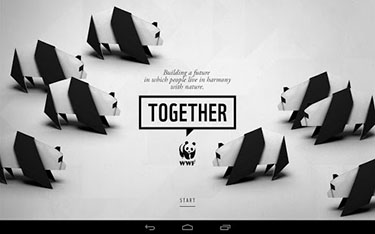
WWF Together wins my vote for most adorable and irresistible of the animal apps. The app brings users stories about endangered species, with interactive features using origami and incorporating your own selfies. I used it on an iPhone, but I assume it would be even more stunning on a larger iPad screen.
FREE; iOS and Android

I was surprised to see how many apps in the app stores are labeled “Montessori.” Nature-oriented apps designed for little ones include two that look especially worthwhile: Montessori Approach to Zoology—Vertebrates and Montessori Approach to Zoology—Invertebrates. They include matching puzzles and help kids learn to categorize animals by characteristics.
$2.99-$3.99; iOS only (but other Montessori-based apps are available on Android)

Audubon, as you might expect, puts out a lovely range of apps for both iPhone and iPad, including its Audubon Bird Guide: North America, with stunning photos for over 800 species. Probably best for older kids, the app allows users to keep their own lists of sightings and listen to tweets, caws, and all kinds of other bird sounds.
FREE; iOS and Android

Merlin Bird ID is another great birding app, from the Cornell Ornithology Lab. It’s quite interactive, asking the user questions to help narrow down the type of bird, and includes bird sounds and photos.
FREE; iOS and Android

For kids, one of the first “citizen science” apps was connected to the online Project Noah, which allows users to share photos and video of plants and animals. Unfortunately, the app is only available via iOS and hasn’t been updated since 2012.

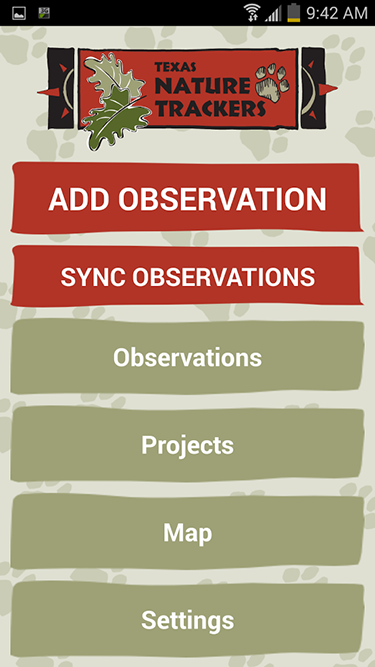
iNaturalist, on the other hand, also allows you to record what you see and share with others, and it looks great for older kids. What’s even better for Austin kids? The iNaturalist makers have also created Texas Nature Trackers, specifically focused on our state’s wildlife and plants. Check this one out for sure!
FREE; iOS and Android


Shelley Sperry


Home-brewed education at AHB

Nicole Lessin is an Austin-based writer whose work has appeared in the San Antonio Express-News, Edible Austin, and the Hundreds of Heads Survival Guides. She has recently returned from a two-year adventure living in Denmark with her husband and two daughters, both of whom are thriving at AHB Community School. We invited Nicole to the blog to write about the school and its unusual fundraising and community-building tradition.
 

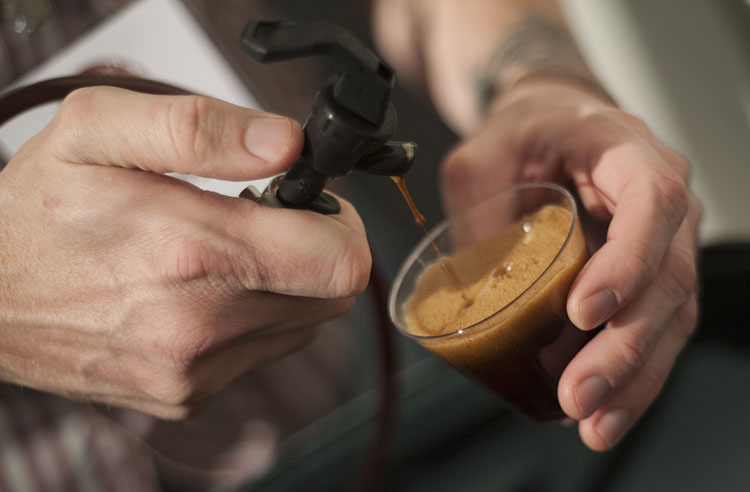
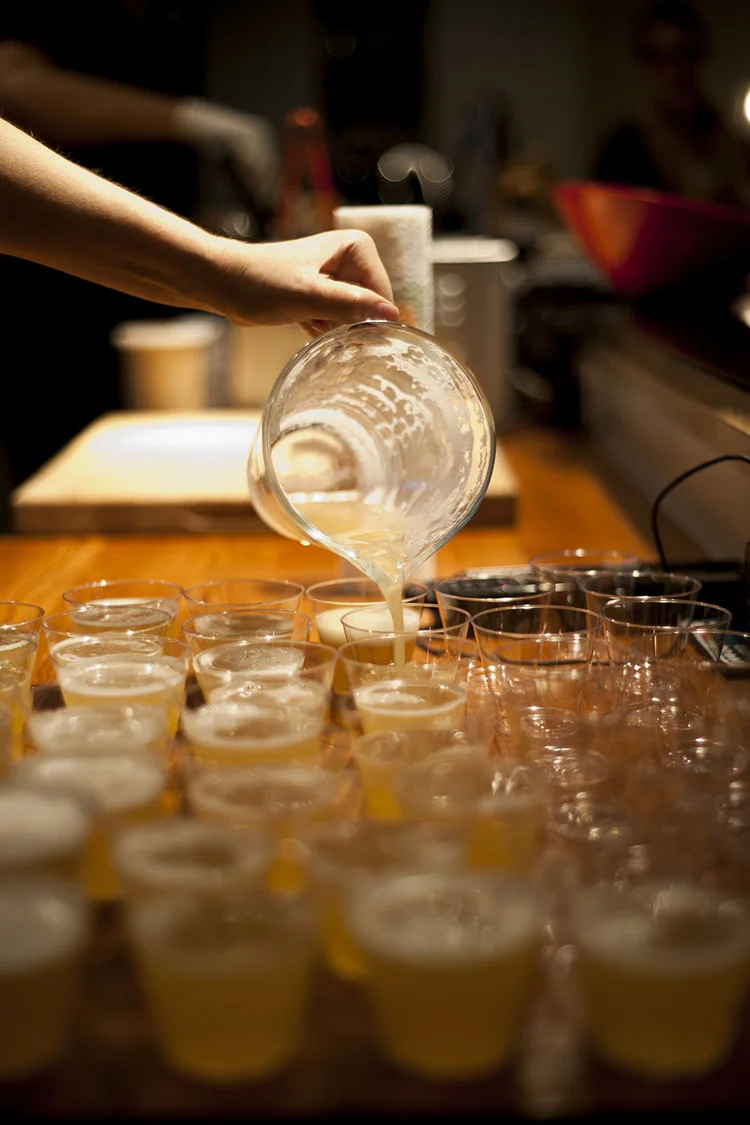
For the past eight years, Austin Home Base Community School (AHB), a small, progressive elementary and middle school in Hyde Park, has been hosting the Austin Home Brew Festival, an annual fundraiser that celebrates Central Texas’s finest home-brewed beers, meads, ciders, and kombuchas.

Though the brewfest began as a small backyard gathering of parents swapping their homebrews and tossing cash into the kitty, the event has in more recent years emerged as a player in the city’s iconic festival landscape, offering participants a unique, DIY Austin experience.

“People say the beers at our festival taste professional, but they are not mass marketed,” says AHB parent and longtime festival volunteer Wendy Salome. “They are unique and individual and they exist in that moment.”

Indeed, this year’s uncommon flavors—all preselected by a panel of certified beer judges and not otherwise available for sale in any stores—will include Sweet Coffee Stout, Summer Cider, and some great traditionals like Helles Lager.


While small-batch beer and progressive education may seem at first glance to be unlikely bedfellows, festival organizers say the slow-food spirit of home brewing is a perfect match for AHB’s creative and collaborative approach to education.

“We talk about AHB a lot as a hybrid, taking the best of different things and creating something even better out of it, and I think that’s what homebrewers do as well,” Salome says. “It’s kind of taking the things that you like about your different beers and making the beer that works best for you. That’s what families and administration have done all along at AHB.”

To be sure, in an era of increasingly standardized education, testing, and grades, the emphasis at AHB is on authentic, project-based learning, critical thinking, and community participation. Instead of standard grade levels, kids work in mixed-age classrooms. And instead of mandatory attendance five days a week, the students’ school week ranges from three to five days—depending on age and interests. 


“When I first discovered the school and came into the classrooms, the thing that hit me the most was the confidence and the importance of the narrative voice of the child to be heard, to be understood, to be supported, and that follows along in everything we do in our integrated curriculum,” says AHB Director Mary Williams. “The teachers set the agenda, but then it’s up to the children to help drive the curriculum and to complete the process and the products and the projects.”

Parents say the result is a unique blend of creative freedom with rigorous academics, often at the level of or even exceeding international standards.

“We wanted to find a place where kids could grow and be free and be creative, but also have structure, so we knew that there was accountability for their learning,” says festival volunteer and AHB parent Valerie Sand. “I wanted someone who knew what they were doing to say, this is what’s going to happen now. Let’s make it fun. Let’s give you ownership of it. And I really believe in that, and that makes it easy to get involved.”


The 8th Annual Austin Home Brew Festival will be held from 6:00 to 9:00 p.m. on Friday, November 4, 2016, at Saengerrunde Hall. For more information, go to facebook.com/AustinHomebrewFestival or ahbfestival.org.
 

Nicole Lessin