


Audiobooks Aren’t Cheating (and Other Things I Learned Raising Dyslexic Kids)
/Consultant Terra Lynch is back with the second post in her series for Dyslexia Awareness Month. To learn more about and from Terra, be sure to read her first piece in this series, “What I Wish I’d Known: A Parent’s Guide to Dyslexia.” —Teri
If your child has just been diagnosed with dyslexia, you might be wondering what you can do at home to support them. Here’s what helped my two kids, along with the resources I keep recommending to other families.
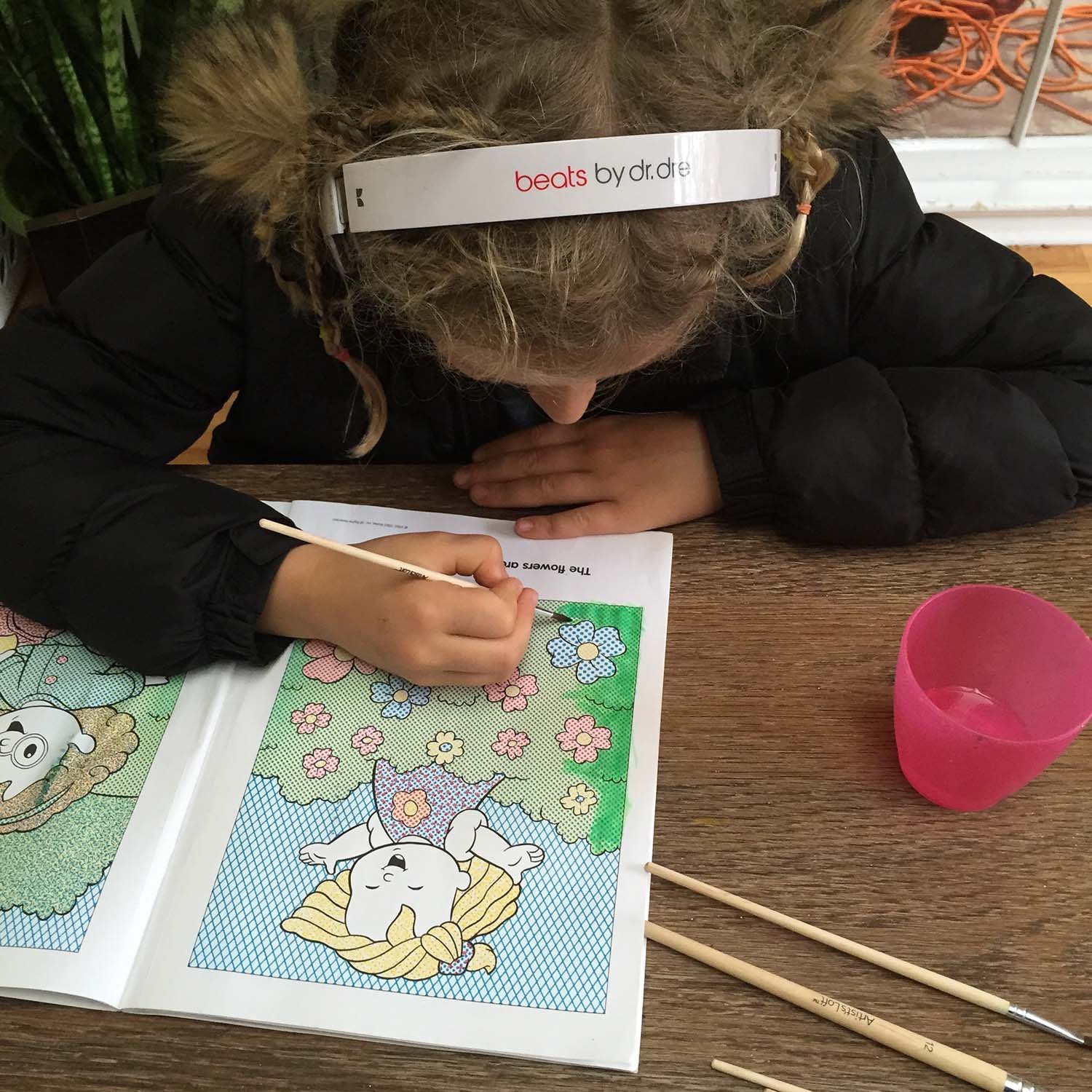
Listening to an audiobook via headphones can be paired with a lot of activities.
Talk about dyslexia openly
Here’s how I explained the dyslexia diagnosis to my daughter, who loved to run and won a lot of first-place medals doing it:
“You know how running comes easily to you, and you’ve won lots of races? Other kids have to practice really hard just to finish a race.” She nodded. “Reading is like that. It comes easily to some people, like it did for me, but it takes a lot more work for you.” She nodded again. The story of me learning to read before school was part of family lore. “That’s what dyslexia is. Your brain learns to read in a different way, so you’ll need extra practice. You’ll get to work with a special teacher at school who knows how to help.” She seemed relieved.
Protect the relationship
When reading homework turned into tears (sometimes mine, sometimes my kids’), we stopped, and I let the teacher know how hard it was so we could problem solve together the next day. There were times I chose to have them do less at-home reading practice for the sake of our relationship, even with the pressure to log a certain number of minutes a night. I don’t regret it.
If you can, share daily reading homework with a partner, grandparent, aunt, uncle, or cousin. Some kids like reading to their pets, too.
Talk out loud about your own challenges
We’re all working on something. I’m not dyslexic, but I find it challenging to coordinate schedules for our busy family of four. I try to say out loud when I’m feeling frustrated or annoyed about it, and then share what strategy I’m using to cope as a way to model for my kids. For example, I might say, “It’s overwhelming how many places we have to be on Saturday at 10! I’m going to call Jennifer to see about carpooling to soccer.” Or, I stand in front of the shared digital calendar and narrate, “Saturday’s game is at 10am. Let me add it here with a note that Jennifer is driving.” It doesn’t have to be self-talk, either. I look for chances to talk with other adults about doing hard things, and I have those conversations when the kids are in earshot.
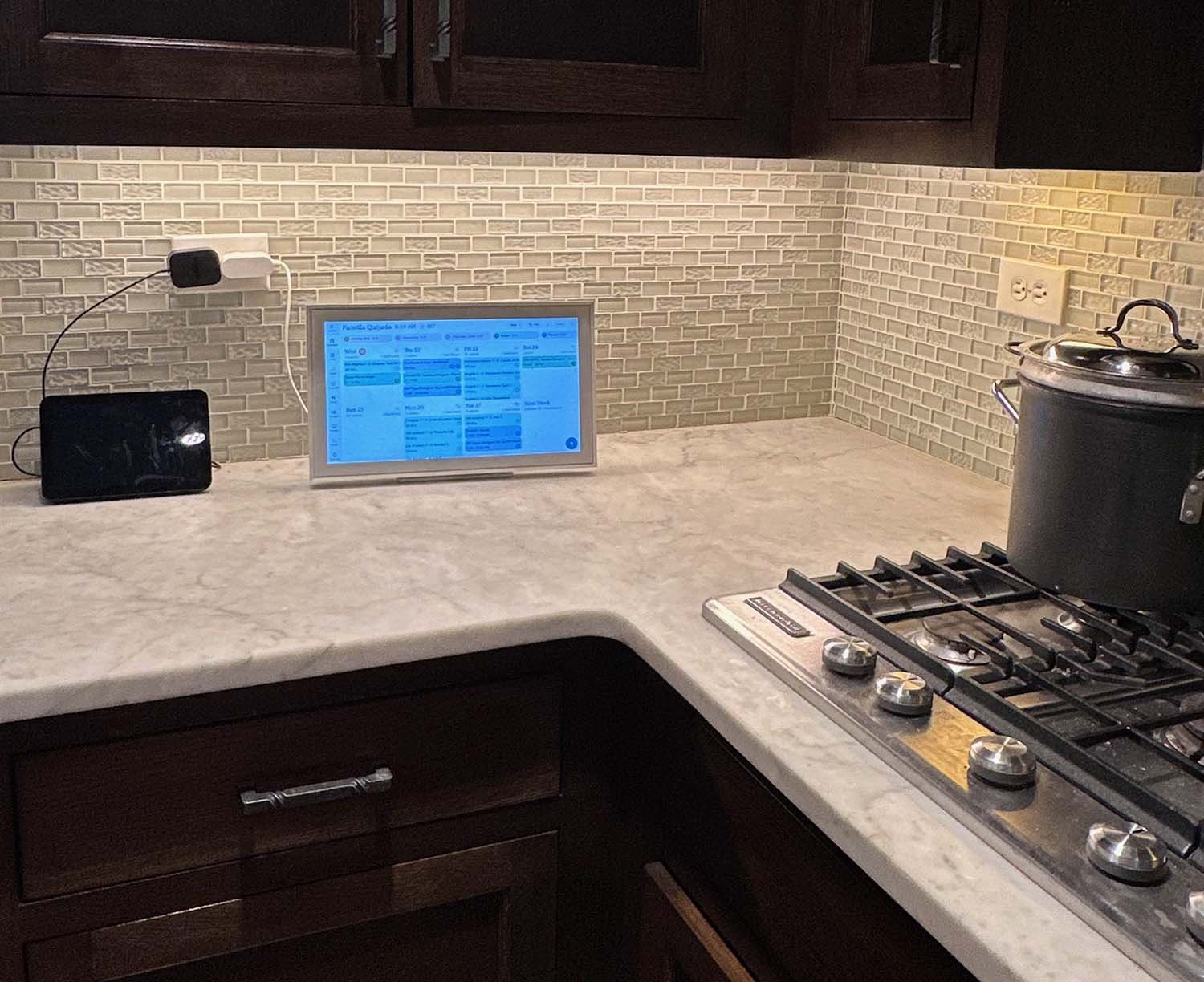
A visual family calendar in a central spot helps kids see a memory strategy in action.
Point out role models
Because dyslexia runs in families, you probably have role models close by. Once you start talking about it, you'll find dyslexic neighbors, coworkers, and friends. Consider printing this slideshow of famous dyslexics to hang at your children’s school (with permission, of course!) or around your home.
Feed their minds, not just their reading level
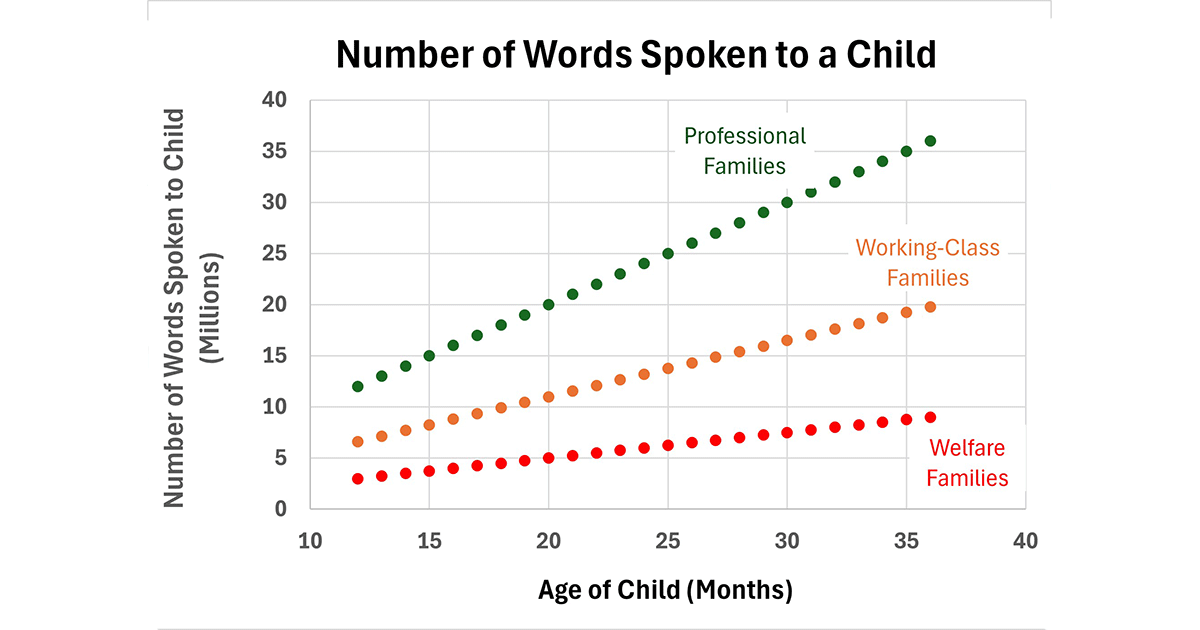
Did you know that books are vocabulary boosters, with many more rare words than come up in conversations? And that books account for a 30% difference in language skills by high school? Some studies suggest that empathy can increase after reading a novel. Those benefits come from the language and ideas in books, not from decoding. This is why staying connected to high-level books matters so much for dyslexic students. If decoding limits how much they read, read-alouds, audiobooks, and podcasts are ways to keep their love of reading alive.
Audiobooks aren’t cheating! Decoding is hard work, and audio kept my kids connected to stories even when reading itself was a chore. They learned to separate the literature from decoding. Listening together also gave us something to share when the process of reading was painful.

Jumping to the numbers. (Photo from Pexels)
Get them moving
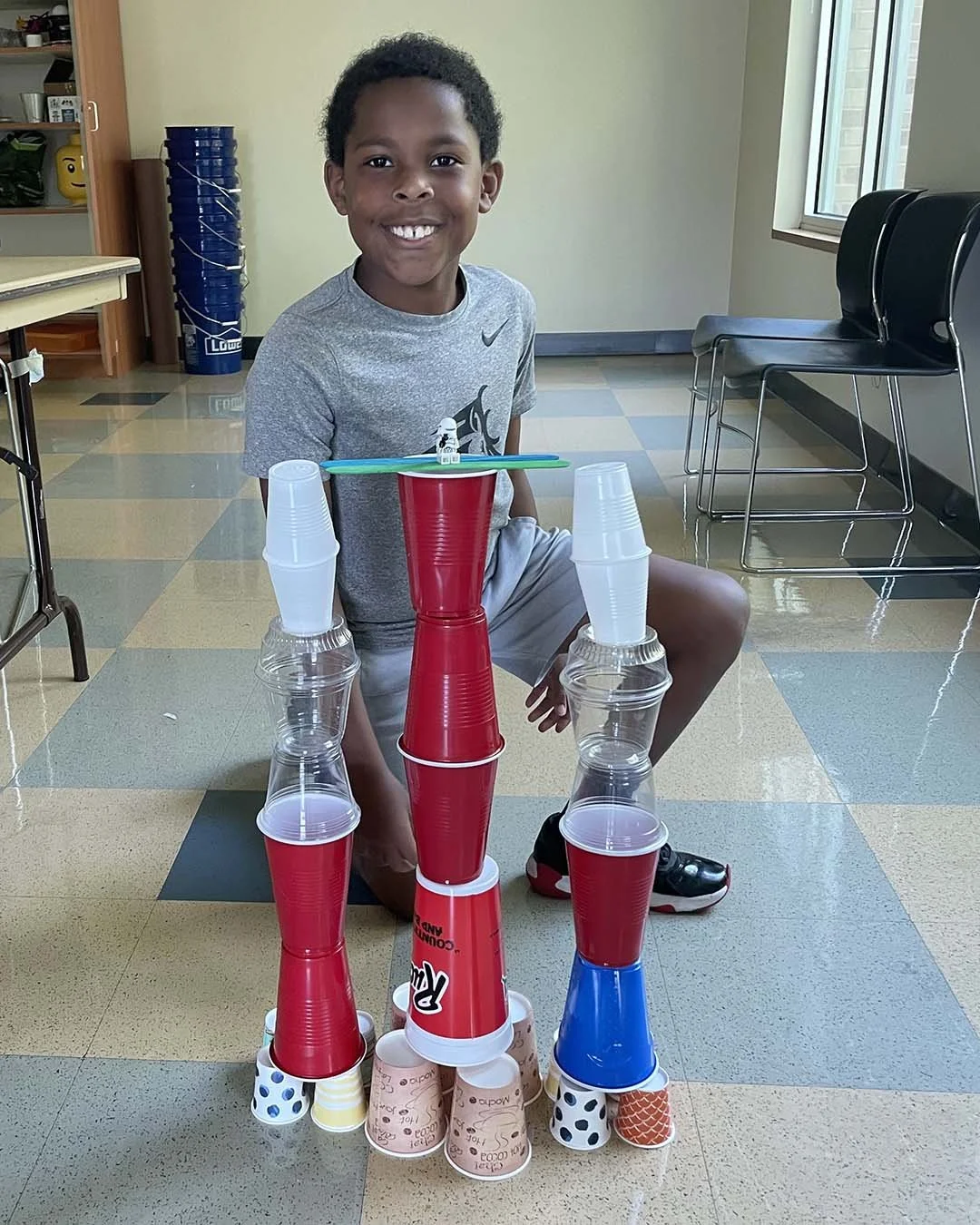
My kids were worn out at the end of the school day. They have always been active and athletic, and once they’d had a snack and some time to run around or to chill, I noticed that movement helped them focus when it came time for homework. One did reading homework standing up. The other used a chair band to fiddle with while seated. Listening to an assigned book while building Lego, or bouncing on a trampoline while practicing math facts—sometimes learning while moving worked better than sitting still. Talking with them about what helped them focus also gave them practice in self-awareness and the words to advocate for it at school.
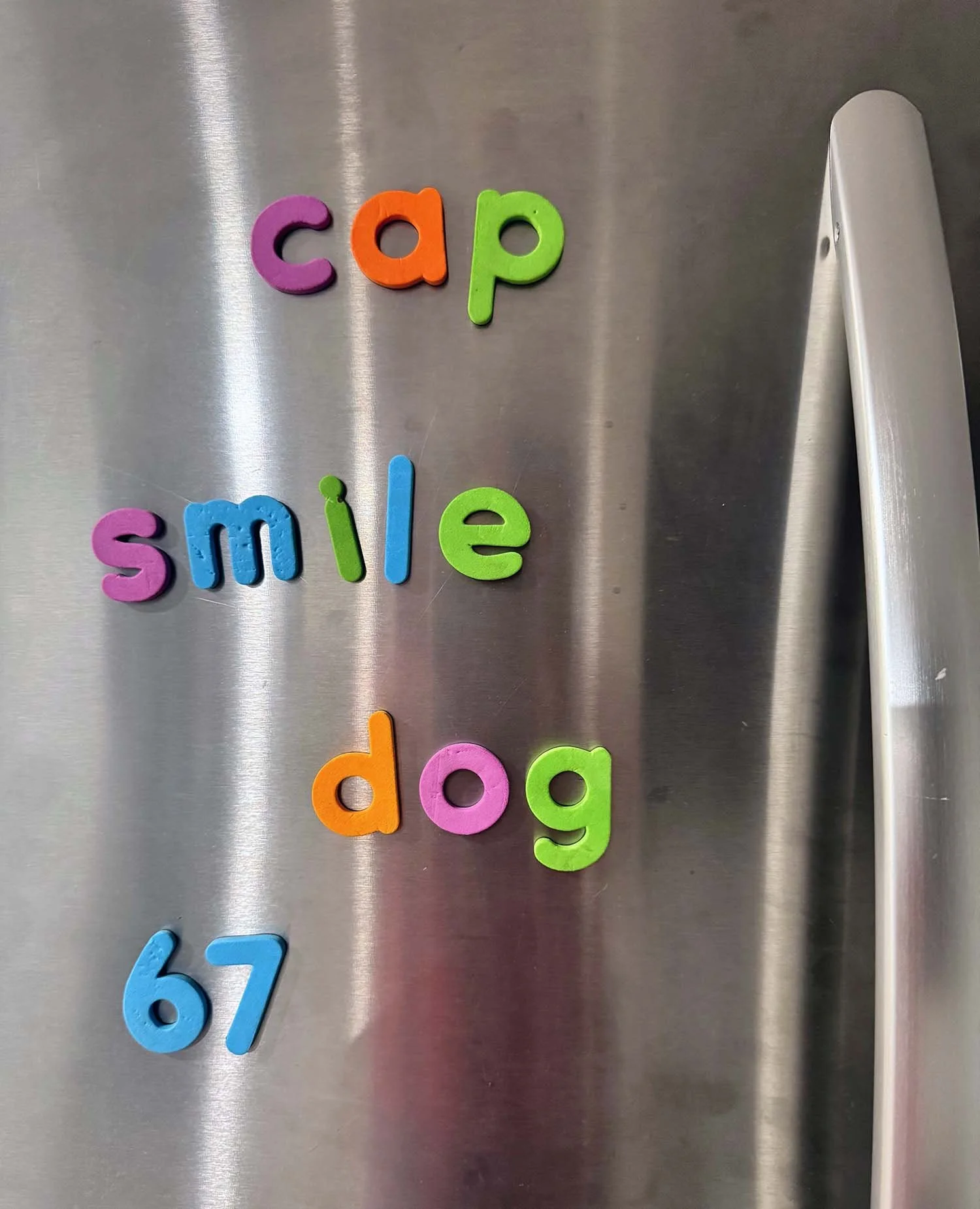
Magnetic letters on the fridge offer a fun, low-key way to play around with words at home.
Try hands-on tools
Montessori phonetic reading blocks (wooden cubes printed with letters that kids turn to build words) were a good break from school readers. Keeping letters and color-coded words on the fridge or whiteboard were other ways for my kids to engage with reading (and spelling) outside of homework time. It was fun to take time together to read what people wrote and reflect on the changes that happened during the week. Being able to touch and move the letters and words made a difference for my kids.
Audio Options for Kids
There are a number of ways to listen to books. Here’s an overview:
Learning Ally
Best for: Textbooks and school reading, with words highlighted as they're read
Cost: Free for qualifying students in Texas public schools through a state contract; paid membership otherwiseLibby
Best for: Listening just for the joy of a story; two-week loans, sometimes with a wait
Cost: Free app; use your public library cardAudible
Best for: The favorites your child will listen to again and again
Cost: Paid by monthly subscriptionSpeechify
Best for: Choice of natural voices to read websites, PDFs, and online textbooks (My daughter had the voice of President Obama read her Emergency Medical Technician textbook aloud!)
Cost: Annual feePodcasts
Great for: Building background knowledge (Wow in the World, Brains On!, Story Pirates, Circle Round, and Book Club for Kids were hits in our house.)
Cost: Free
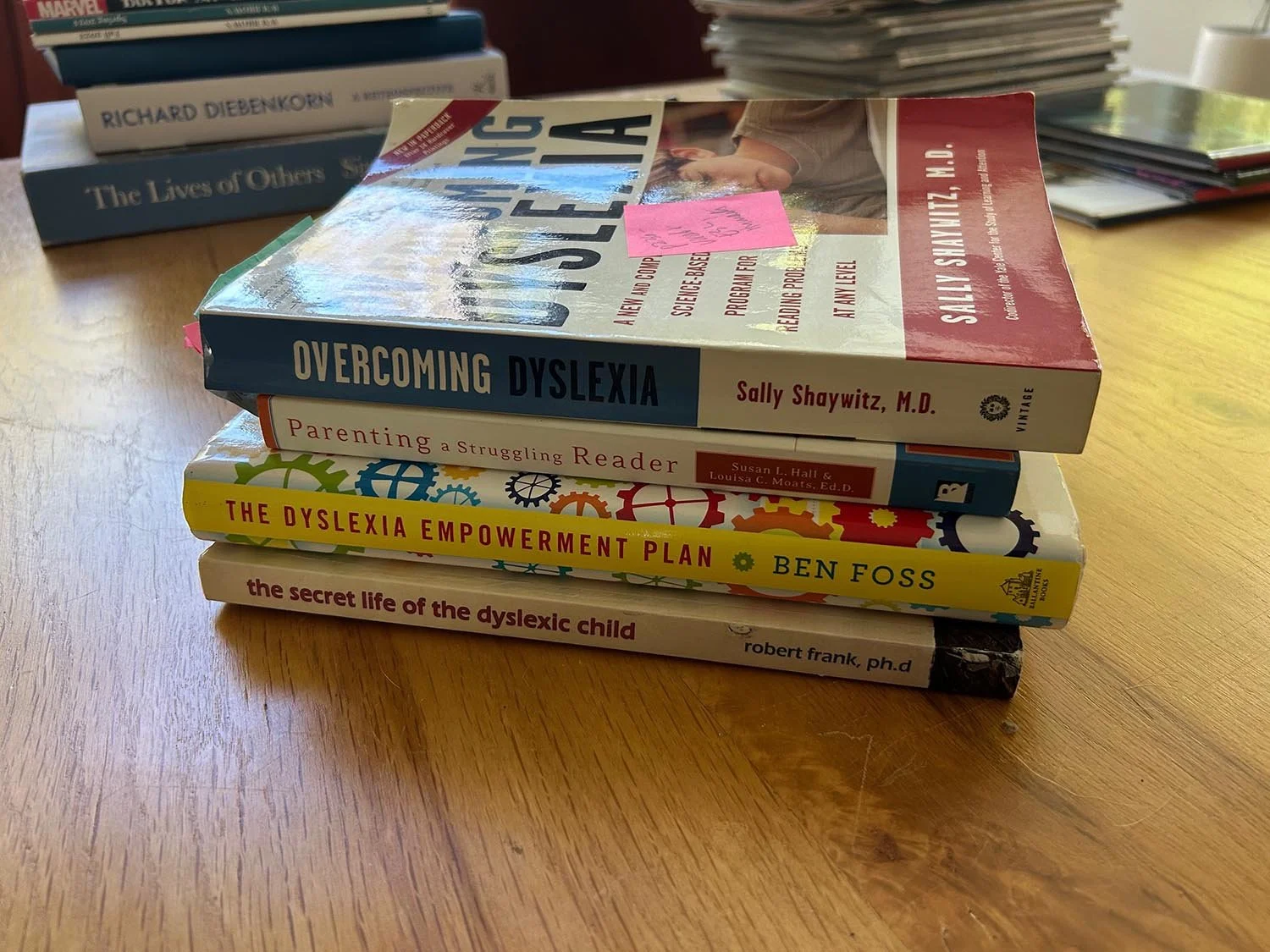
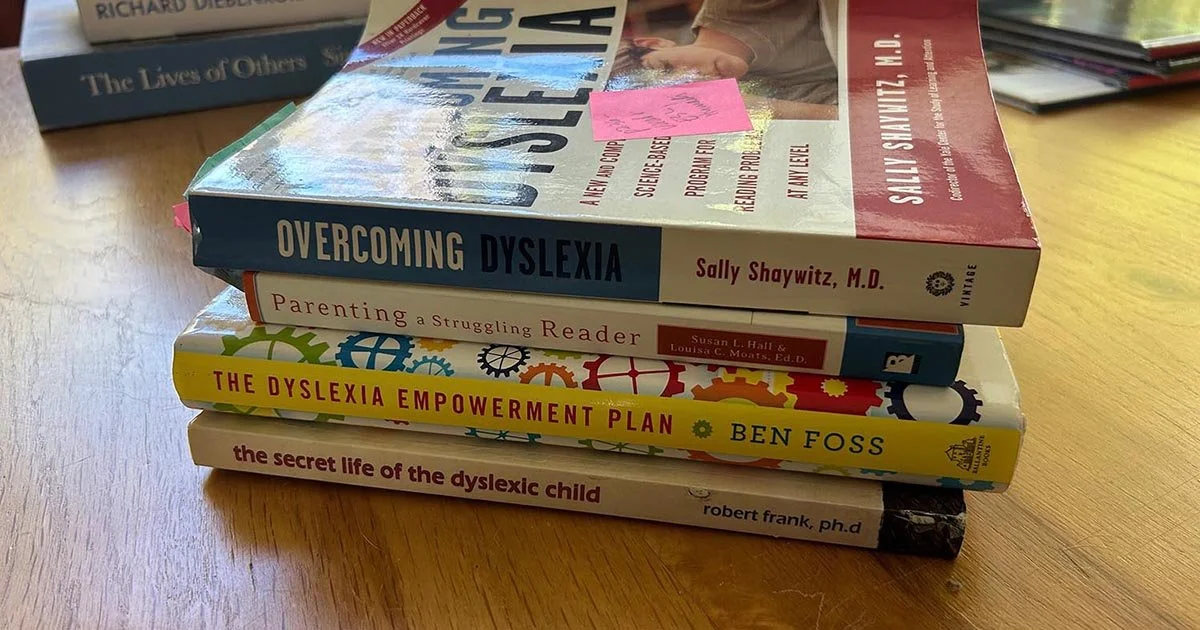
Books stacked in a print-rich environment
Books for Parents
These are some of the books that helped me deepen my understanding of dyslexia and better support my kids:
Overcoming Dyslexia by Sally Shaywitz, from one of the leading researchers on dyslexia
The Dyslexic Advantage by Brock and Fernette Eide, on the strengths that often come with dyslexia
The Dyslexia Empowerment Plan by Ben Foss, written by a dyslexic author for parents
Dyslexia Advocate! by Kelli Sandman-Hurley, on working with public schools
Websites and Organizations
These are the websites I go to most often for information and advice:
Texas Dyslexia Handbook (TEA), the rules Texas schools follow
Understood.org, practical tips for parents
Impact Dyslexia, Texas advocacy and education
Your local dyslexia parent group
To Listen to or Watch
Sold a Story (2022), an award-winning podcast on why so many schools have taught reading in ways that don’t work
Left Behind (2025), a documentary film about a group of New York City mothers who fought for three years to open a public school for kids with dyslexia
Embracing Dyslexia (2013), a documentary about family life with dyslexic kids, made by the father of an 8-year-old with dyslexia (I cried my eyes out.)
What Is Dyslexia? (2026), a free animated short from Made By Dyslexia, made for kids and good to watch as a family right after a diagnosis (I love how the credits show explicitly how many of the actors, writers, musicians, and producers of the film are dyslexic thinkers.)
If you’re worried about your child’s reading, or navigating school and family life after a dyslexia diagnosis, I’d love to talk with you. You can book a consultation with me here.
—Terra Lynch | Consultant