


Books, Mud, and Radical Acts: Education in the Age of AI
/
When AI can solve a complicated math proof in seconds, what is the purpose of school? Guest contributor Paige Arnell joins us to share her perspective on finding meaningful alternatives to technology dominance in education. Paige leads Kirby Hall School, a Central Austin learning community for PreK4–8th grade students. Celebrating its 50th year, Kirby Hall offers an inclusive, non-faith-based environment that welcomes all cultures and backgrounds, cultivating a vibrant space for curious, creative, and critical thinkers. —Teri
Another world is not only possible,
she is on her way.
Maybe many of us won’t be here to greet her,
but on a quiet day, if I listen very carefully,
I can hear her breathing.
—Arundhati Roy
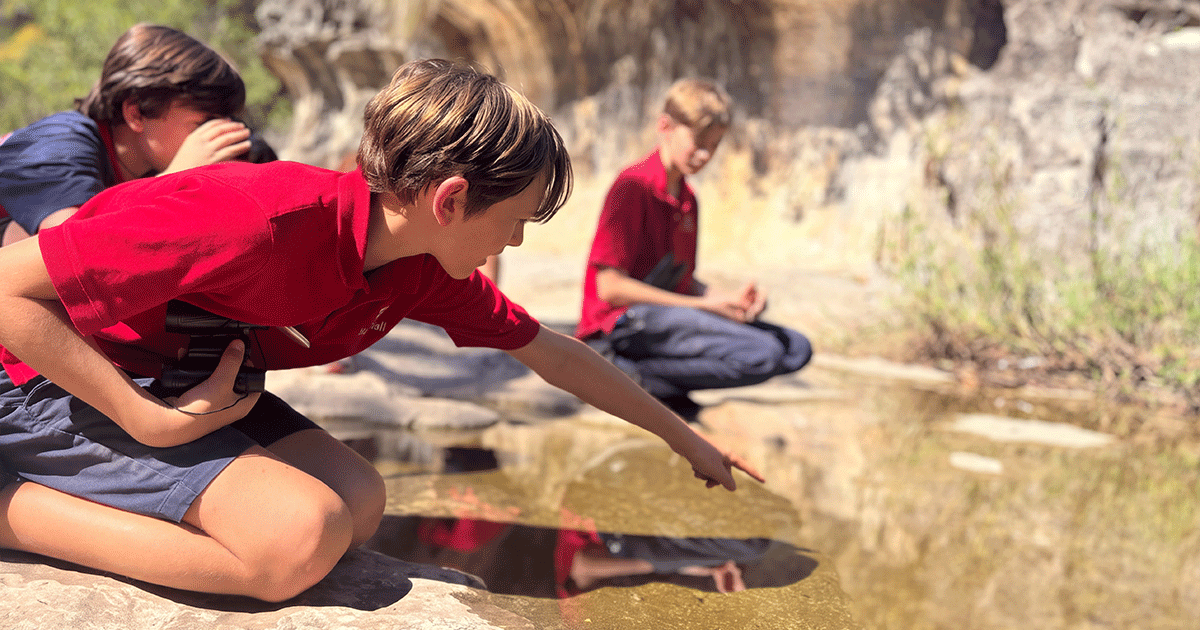
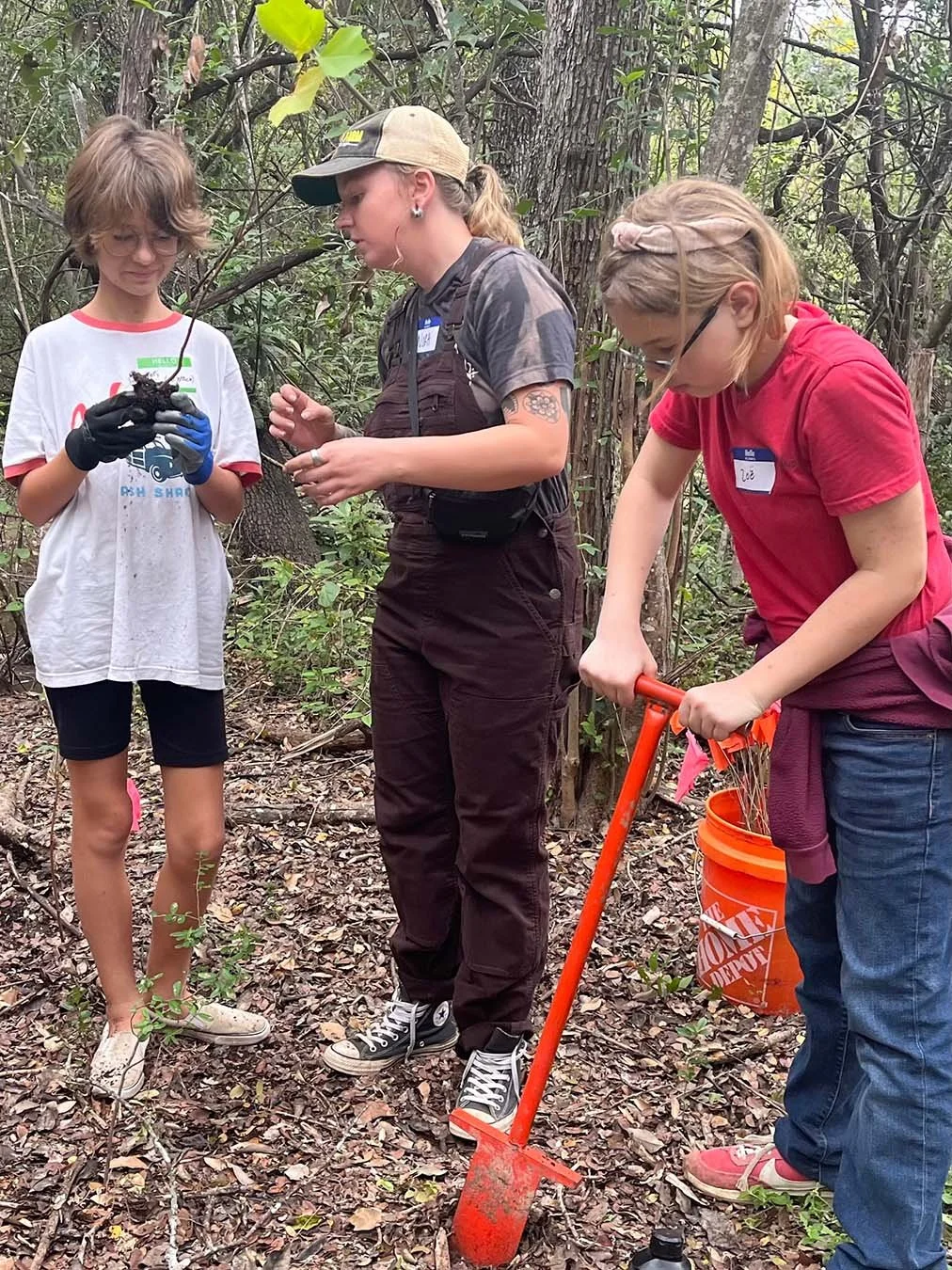
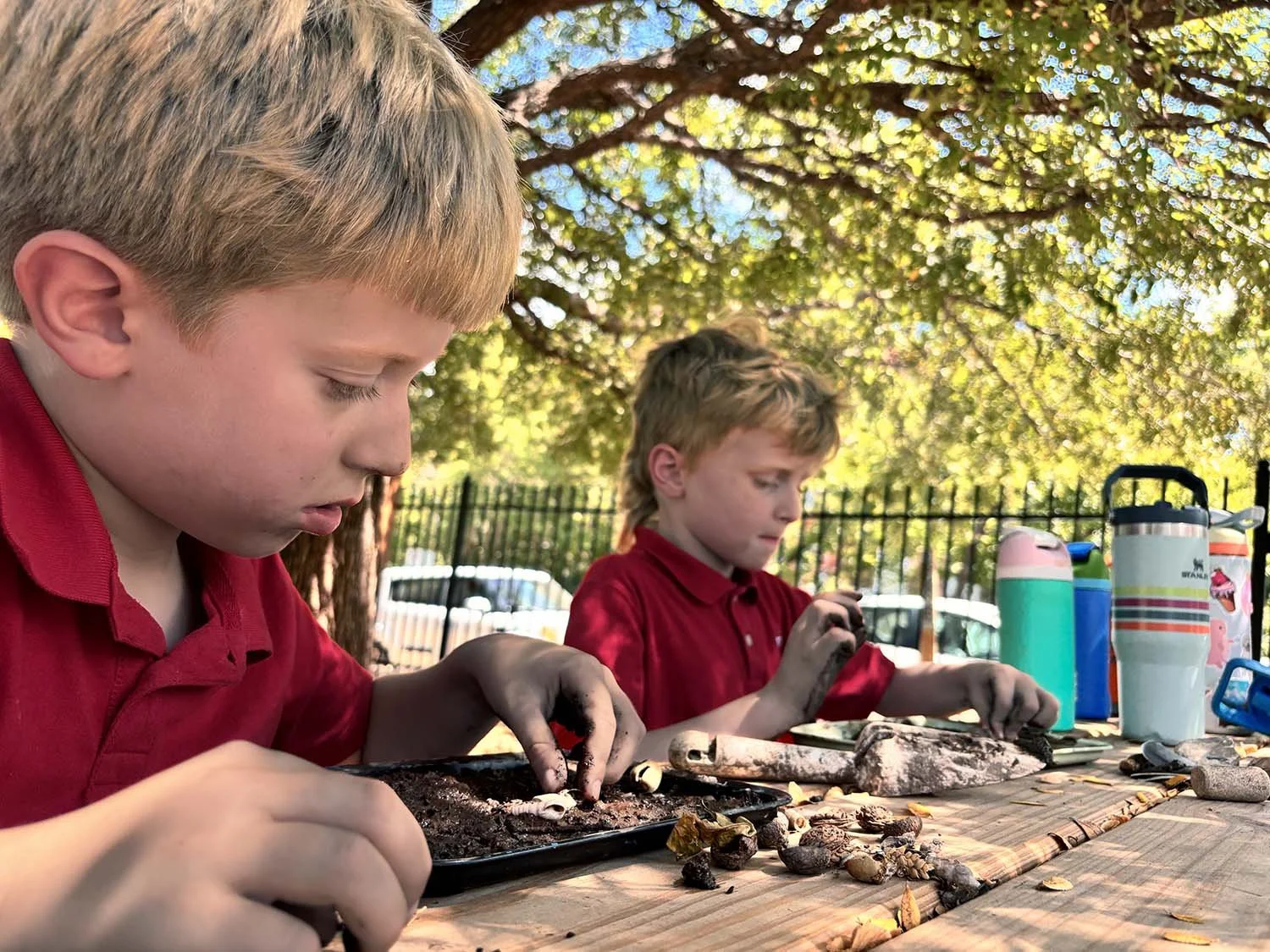
Self-driving cars, Claude, AI-driven schools—it’s clear we’ve reached a turning point in the way we move and live in the world. And, as always, these turning points continue to impact education everywhere. When conducting school tours these days, I almost feel like a character in a science-fiction novel. I find myself pointing out our commitment to books (reading the whole thing!), mud, and “human-centered education.”
In the past, I have written about the changing landscape of childhood, a closing-in of sorts in which there is less open-ended time, fewer child-led spaces, little to no boredom. It’s become abundantly clear to educators, especially those in the early-childhood field, how significantly those spaces—as seemingly unrelated to education as they once appeared—contribute to more traditional academic success. After all, the bedrocks of learning—strong literacy, solid math skills, and critical thinking—do not develop in isolation. They trace directly back to a progression of early milestones: from simple physical tasks like holding a pencil and cutting with scissors, through social communication and collaboration, and ultimately to the cultivation of imagination and curiosity.
These are also, across the board, things that only happen without a screen.
The dominance of educational technologies coupled now with rapid and life-changing artificial intelligence technologies push us to continue our critical examination of education, both the hows and the whys. The dominant approach to education in the United States rose from industrialization, from the viewpoint that a successful citizen needed skills to hold down a job that most likely prioritized compliance, and from a prioritization of product over process.
How do we approach learning now that the product is right there? For any problem our students are asked to solve, all the way up to until-now unsolved, complicated mathematical proofs, the answer is right there. Type your question into AI, and you will get a response in a matter of minutes or even seconds—you only need to refine your question. Our students know this. Adults have wholeheartedly embraced this in every aspect of work and life.
What does it mean for an educational landscape that has wholeheartedly embraced the product, coupled with student compliance? To my mind, this signals the need for a reckoning by all American educators, not just those who consider themselves alternative.
Does it mean that knowledge of concrete material no longer matters? I think firmly, absolutely, not. In fact, it signals the opposite: a stronger need for mastery, for deep learning. In order to think critically, we need a framework, a firm foundation, as well as the ability to imagine other alternatives and, most importantly, to ask questions. In order to collaborate well, we need to know what talking face-to-face means. We need to be able to handle conflicts well—in ways that acknowledge and hear the other side's wants and desires.
These are not new questions, not at all. Educators from John Dewey to Maria Montessori to Loris Malaguzzi have been raising these questions. But they have remained fringe, part of “alternative” approaches to education. In the United States, such approaches have found some footholds in preschools, but now we must seriously consider their place among scaled-up, hands-on, human-to-human, place-based practices in the formal K–12 school experience.
Deep learning and mastery of foundational skills also takes time. Creating space for students to tell stories and learn explicit phonics skills, to count accurately to 100 but also to truly understand place value and number representation, works better when not rushed. Failure is instructive. Listening to a peer’s different point of view educates us, too.
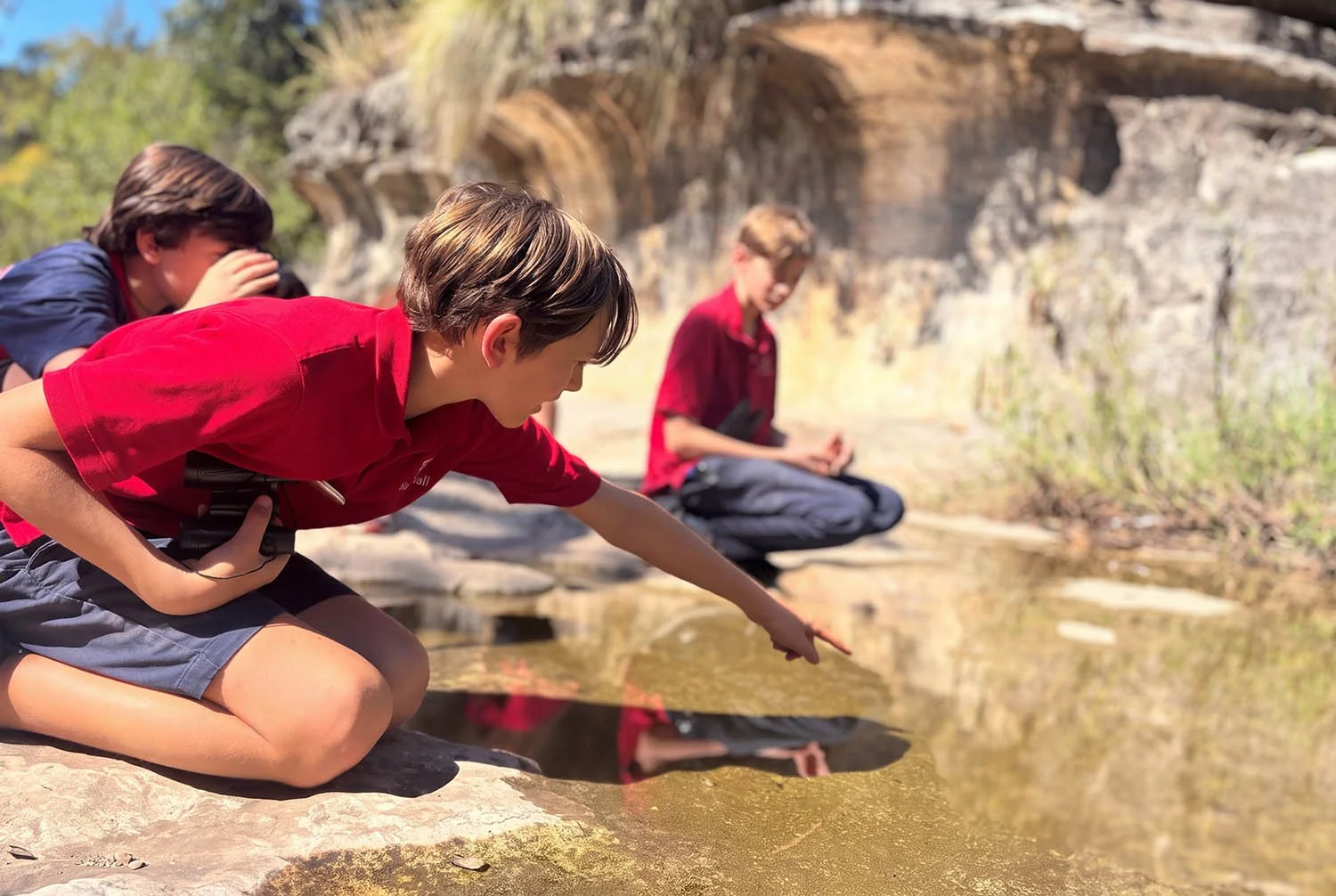
By the same token, learning that happens not just in the mind, but also in the body, sticks with us longer. An exploration of arthropods that takes place outside—lifting logs, holding creatures in our hands—strengthens our understanding of those topics in ways no slideshow can replicate.
In this model, the teacher cannot be replaced by an artificial intelligence. The teacher creates a constantly changing environment. And children remain wholeheartedly in their bodies if we give them the chance. No matter how much the adult world changes, children remain curious, imaginative, joyful, and constantly seeking connection.
Ultimately the teacher-child and the child-child connections remain the most powerful forces that education has to offer. The struggles and the challenges of these human, imperfect relationships are still the strongest gifts we can offer our young people.
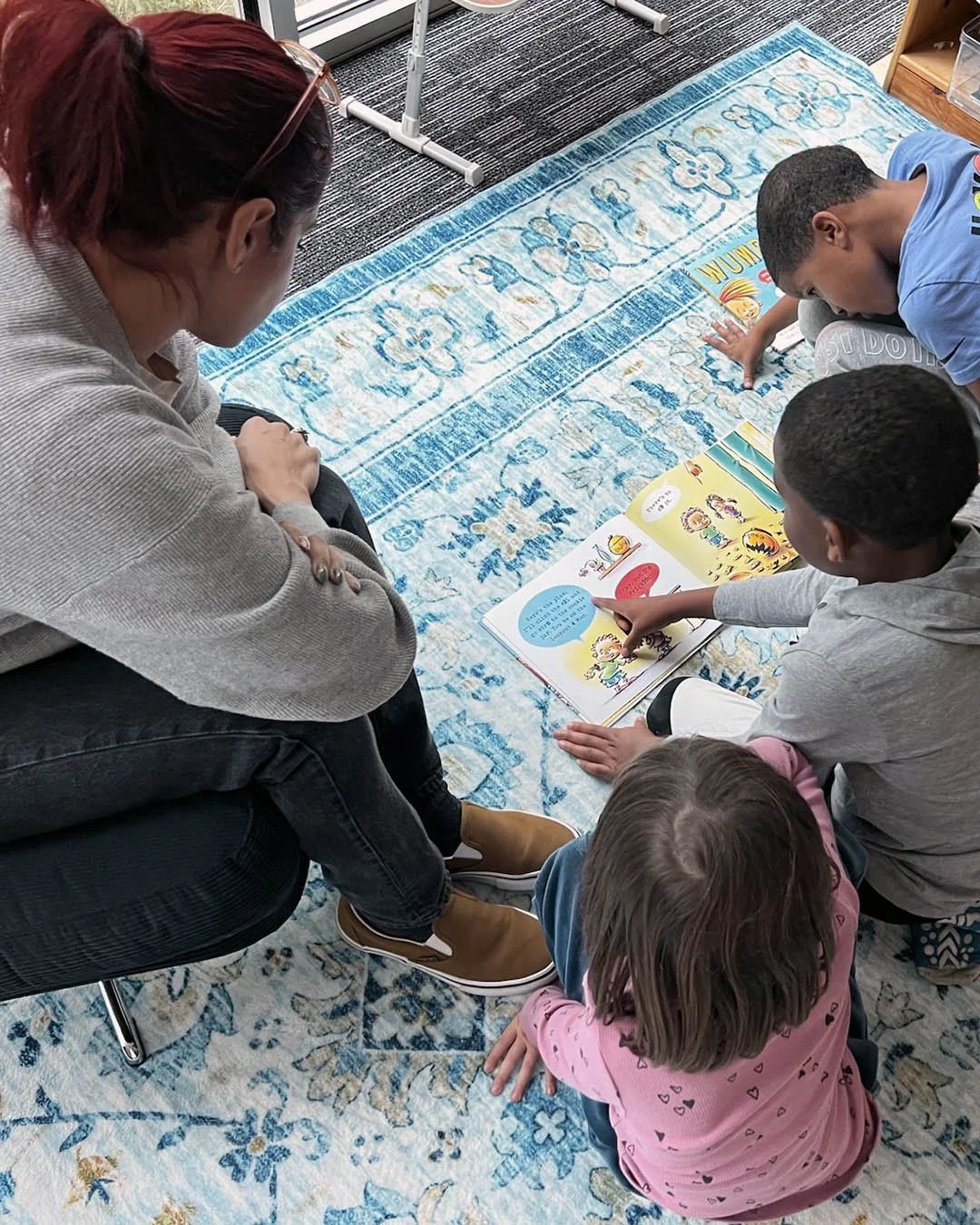
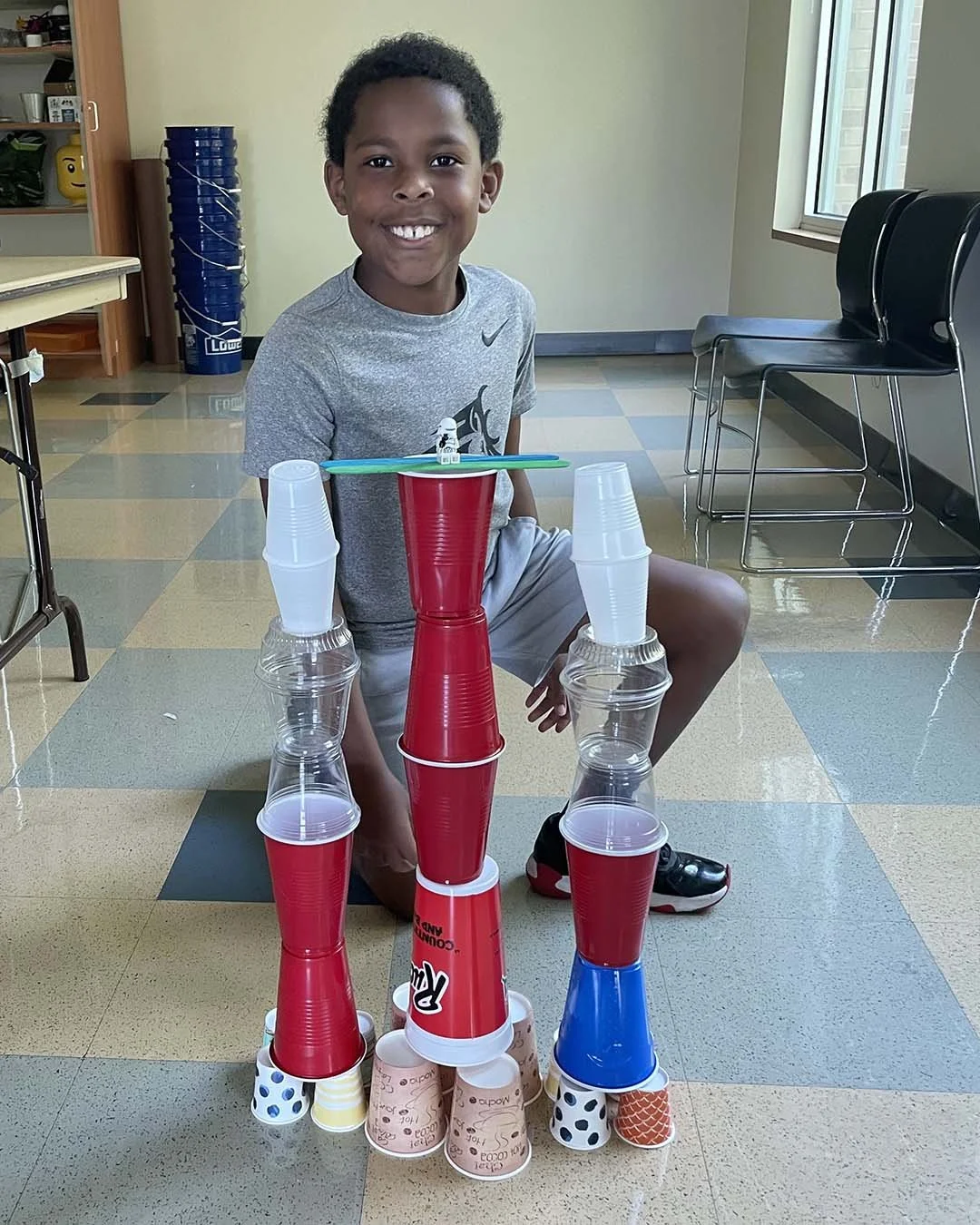
At this moment in time, every book we place in a child’s hand, every blank piece of paper we give them to fill, every mud pie they make, every seed they plant, every ball game they play, every block structure they build, every game they invent, every “tag, you’re it!” they shout constitutes a foundation of learning and a radical act.
—Paige Arnell, Head of School | Kirby Hall School